
Backed by Veterinary Behavioural Science
Tried & Tested by Over 2,400 Dog Parents
Backed by Veterinary Behavioural Science
Tried & Tested by Over 2,400 Dog Parents
Backed by Veterinary Behavioural Science
Tried & Tested by Over 2,400 Dog Parents
Backed by Veterinary Behavioural Science
Tried & Tested by Over 2,400 Dog Parents
Backed by Veterinary Behavioural Science
Tried & Tested by Over 2,400 Dog Parents
Backed by Veterinary Behavioural Science
Tried & Tested by Over 2,400 Dog Parents
Backed by Veterinary Behavioural Science
Tried & Tested by Over 2,400 Dog Parents
Backed by Veterinary Behavioural Science
Tried & Tested by Over 2,400 Dog Parents
Backed by Veterinary Behavioural Science
Tried & Tested by Over 2,400 Dog Parents
Backed by Veterinary Behavioural Science
Tried & Tested by Over 2,400 Dog Parents
Backed by Veterinary Behavioural Science
Tried & Tested by Over 2,400 Dog Parents
Backed by Veterinary Behavioural Science
Tried & Tested by Over 2,400 Dog Parents
Backed by Veterinary Behavioural Science
Tried & Tested by Over 2,400 Dog Parents
Backed by Veterinary Behavioural Science
Tried & Tested by Over 2,400 Dog Parents
Backed by Veterinary Behavioural Science
Tried & Tested by Over 2,400 Dog Parents
Backed by Veterinary Behavioural Science
Tried & Tested by Over 2,400 Dog Parents
In the wild
Dogs live in packs. Constant physical contact teaches the nervous system: pressure = safety
The signal gets cut
Modern life removes that contact. The body keeps asking. Nothing answers.
Pressure restores it
Gentle, sustained, body-mapped pressure reactivates the same calming pathway the pack provided.
The body settles
Heart rate drops. Cortisol falls. The nervous system receives the input it's been looking for.
THE SCIENCE
Pressure is the language a panicked nervous system still understands.
This isn't a marketing story. It's mammalian biology - documented across species, proven across a century of research.


The Swaddle™
The Swaddle™
Does your dog calm down — or just shut down?
Pack Pressure™ answers what the medication mutes — giving the nervous system the physical contact it's been asking for.
- 💚 Calms the anxiety. Leaves her personality exactly intact.
- 🌿 Pack Pressure™ — physical calm, not brain chemistry.
- 🔄 60-day in-home trial. Free returns. No conditions.
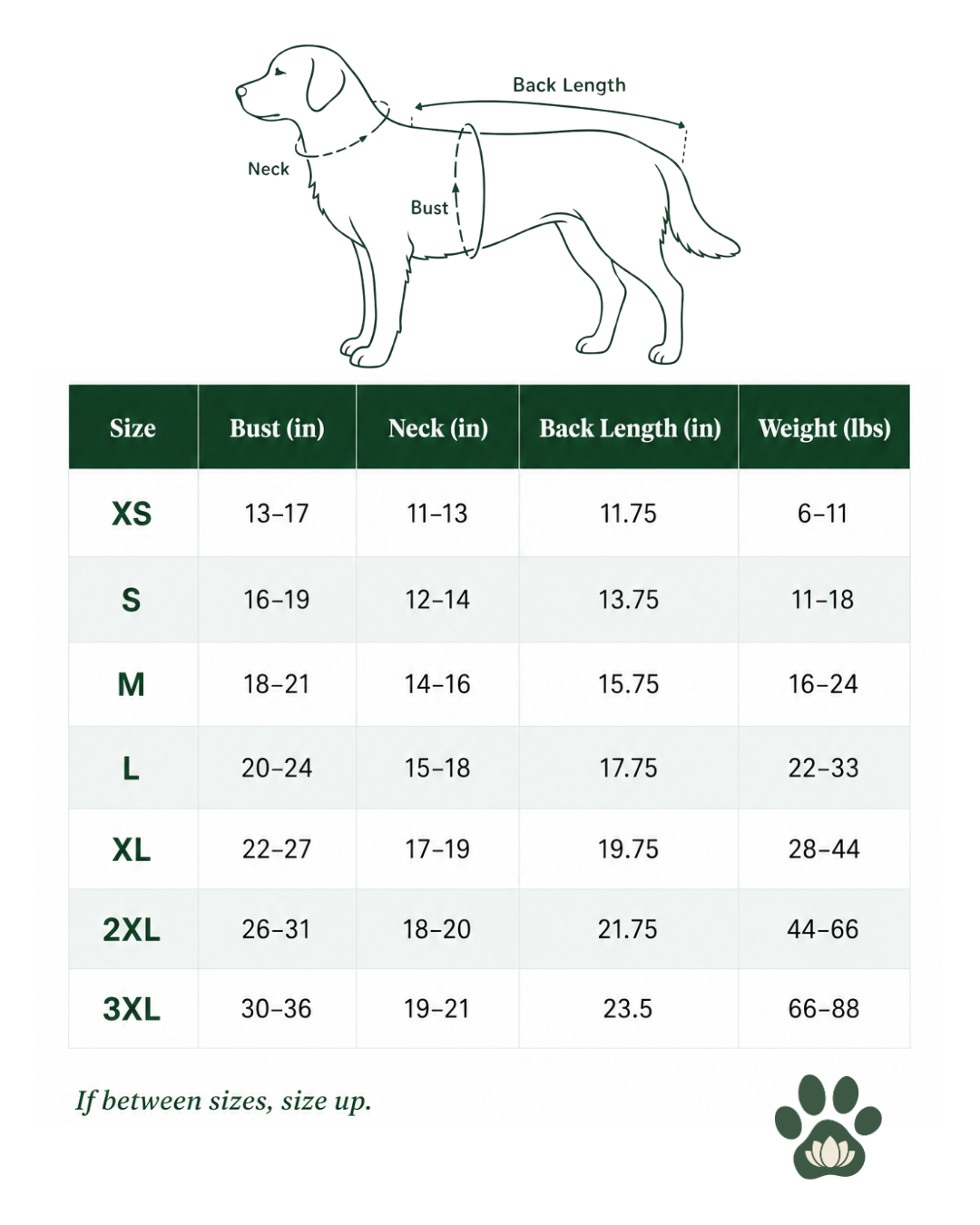
- 📐 Body-mapped fit for deep and barrel-chested breeds.
- 🔬 Backed by Temple Grandin's deep-pressure research.
Couldn't load pickup availability


Why Shop with Us
-

30-Day Money Back Guarantee
-

FREE Worldwide Shipping
-

Fast & Dedicated Customer Support


